
For most South Indian families, rice is not just food , it’s comfort, culture, and routine. From soft morning idlis to steaming lunch rice and evening dosas, rice shapes everyday meals. That’s why many people hesitate when they hear about switching to millets.
The biggest concern is simple:
“Will millets change the taste of my food?”
The truth is, you can switch from white rice to millets without losing the familiar taste, texture, or satisfaction of your favourite dishes. With a gradual approach and the right cooking methods, millets can blend seamlessly into your diet while dramatically improving nutrition.
Let’s explore how to make the transition smoothly.
Why Consider Replacing White Rice at All?
Polished white rice is filling but nutritionally limited. During processing, much of its fibre, vitamins, and minerals are removed. As a result, diets dominated by refined rice may contribute to:
- Rapid blood sugar spikes
- Frequent hunger and cravings
- Low fibre intake
- Risk of weight gain and metabolic issues
Millets, on the other hand, are whole grains packed with fibre, protein, minerals, and slow-release carbohydrates. They digest slowly, helping maintain steady energy levels and better gut health.
This is why nutrition experts increasingly recommend millets as a healthy alternative to white rice, especially for people managing diabetes, weight, or digestion.
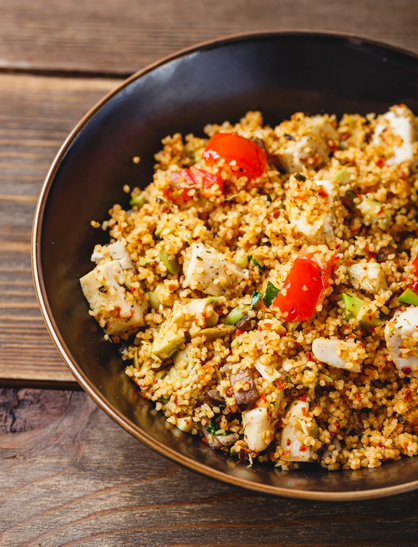
Step 1: Transition Gradually Instead of Suddenly
One of the biggest mistakes people make is trying to replace rice overnight. This often leads to dissatisfaction and abandonment of the change.
Instead, follow a gradual shift:
- Week 1–2: Mix 25% millets with 75% rice
- Week 3–4: Shift to half rice, half millets
- After a month: Increase millet proportion as desired
This method allows your taste buds and digestion to adjust naturally, ensuring meals still feel familiar.
Step 2: Choose Mild-Flavoured Millets First
Not all millets taste the same. Some have strong earthy flavours, while others closely resemble rice in taste and texture.
For beginners, start with:
- Little millet – closest to rice texture
- Foxtail millet – mild taste, works well for meals
- Kodo millet – soft when cooked, ideal for rice replacement
- Barnyard millet – light and easy to digest
Using these varieties ensures the transition feels natural rather than drastic.
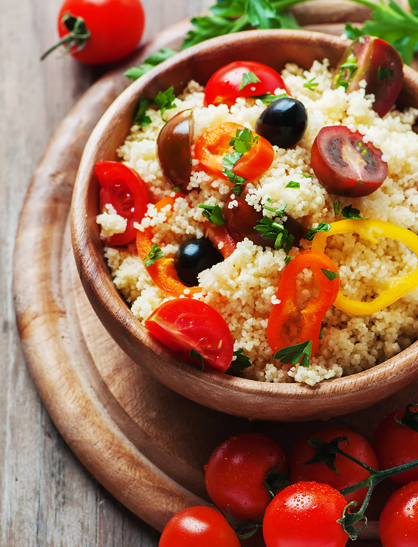
Step 3: Keep the Same Recipes You Already Love
The easiest way to adopt millets is not by changing your cuisine , but by adapting your ingredients.
Instead of experimenting with unfamiliar dishes, simply prepare your regular meals using millet alternatives:
- Millet dosa instead of rice dosa
- Millet appam instead of traditional appam
- Millet puttu instead of rice puttu
- Millet upma instead of semolina upma
- Millet rice with sambar, fish curry, or dal
Step 4: Master the Cooking Technique
Taste depends heavily on texture. When cooked properly, millets can be just as soft and satisfying as rice.
For best results:
- Wash millets thoroughly to remove excess starch
- Soak for 20–30 minutes before cooking
- Use slightly more water than rice
- Cook on a low flame for even softness
- Let it rest after cooking for fluffiness
These steps help millets achieve a light, fluffy texture similar to steamed rice.c
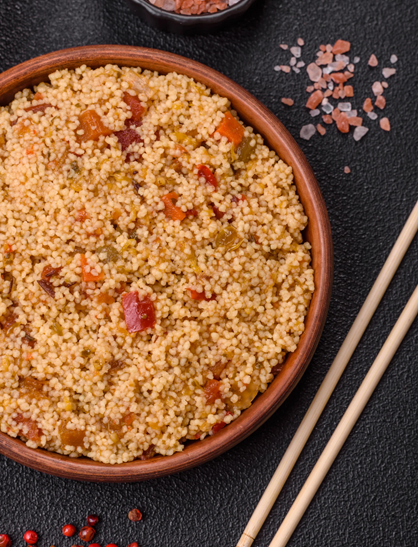
Step 5: Let Traditional Kerala Flavours Do the Work
Millets absorb flavours beautifully. When paired with classic Kerala dishes, they taste just as satisfying as rice.
Try them with:
- Coconut-based vegetable curries
- Sambar, rasam, or moru curry
- Avial, thoran, and mezhukkupuratti
- Fish curry or dal
Since these side dishes are flavour-rich, the grain becomes a neutral base, making the switch almost unnoticeable.
Step 6: Use Ready-to-Cook Millet Mixes for Convenience
For many families, the biggest barrier isn’t taste, it’s time. Preparing millets from scratch can feel unfamiliar at first.
Ready-to-cook millet mixes make the transition effortless by offering:
- Pre-balanced grain blends for soft texture
- Familiar taste profiles suited to local cuisine
- Quick preparation for busy mornings
- Consistent results every time
These options help households adopt millets without changing their cooking habits.
The Long-Term Benefits of Switching to Millets
Once millets become part of your daily meals, many people notice:
- Better digestion and gut health
- Longer-lasting energy throughout the day
- Reduced hunger between meals
- Improved weight management
- More balanced blood sugar levels
The change may begin with curiosity, but the health benefits make it sustainable.
Conclusion:
Healthy Eating Without Losing Familiar Taste
Switching from white rice to millets doesn’t require giving up the foods you love. By transitioning gradually, choosing the right millets, and cooking them with traditional flavours, you can make the change smoothly and naturally.
In fact, many families discover that millets bring a new depth of flavour and satisfaction to their meals, along with powerful health benefits.
Healthy eating isn’t about abandoning tradition. It’s about making smarter choices within the same kitchen.
Millets make that possible.