
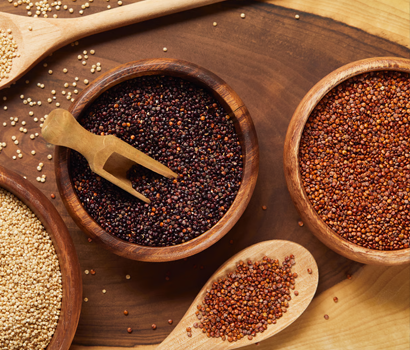
For thousands of years, millets were at the heart of Indian agriculture and daily cooking. Long before polished rice and refined wheat became common, these hardy grains nourished communities across diverse climates , from the dry plains of Rajasthan to the humid regions of South India.
Today, as modern lifestyles bring rising diabetes, digestive disorders, and nutrient deficiencies, traditional Indian millets are being rediscovered as powerful superfoods. Nutritionists now recommend them as one of the best healthy grain alternatives to rice and wheat, while sustainability experts recognize them as climate-friendly crops for the future.
If you’re looking to adopt healthier eating habits, here are the key traditional Indian millets you should know, along with their proven health benefits.

What Are Millets and Why Are They Important?
Millets are small-seeded cereal grains that grow easily in dry conditions with minimal water and chemicals. India is one of the largest producers of millets, and many varieties have been part of traditional diets for centuries.
Unlike refined grains, millets are whole grains, meaning they retain their fibre, vitamins, minerals, and antioxidants. This makes them ideal for people seeking:
Your time is limited, so don’t waste it living someone else’s life. Don’t be trapped by dogma – which is living with the results
High-fibre foods for digestion
Low glycaemic index grains for diabetes control
Natural sources of iron, calcium, and protein
Gluten-free alternatives to wheat
- Cooking is love made visible
- We’re an open book
- 100% goes to the field
- Received the highest grades
Major Traditional Indian Millets and Their Benefits:
Ragi (Finger Millet) – The Bone-Strengthening Super Grain
Ragi is one of the most nutritionally dense millets and has been widely consumed in South India for generations. It is especially valued for its exceptional calcium content.
Health Benefits of Ragi:
- One of the richest plant sources of calcium
- Helps strengthen bones in children and adults
- High iron content supports haemoglobin levels
- Rich fibre improves digestion and satiety
- Supports weight management and blood sugar control
Ragi is commonly used in porridges, dosa batter, puttu mixes, and baked foods, making it one of the easiest millets to include in daily diets.
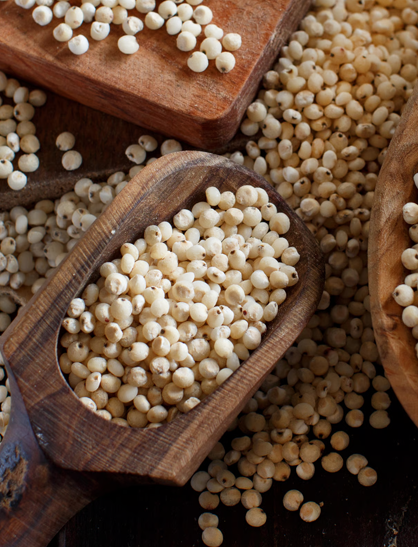
Jowar (Sorghum) – The Energy-Boosting Ancient Grain
Jowar has been cultivated in India for centuries and remains a staple in many regions. It is naturally gluten-free and provides long-lasting energy.
Health Benefits of Jowar Millet:
- Rich in protein and fibre for sustained energy
- Supports heart health by lowering bad cholesterol
- Helps regulate blood sugar levels
- A great wheat alternative for gluten-free diets
Jowar flour is widely used in rotis, porridges, and multigrain blends.
Bajra (Pearl Millet) – The Iron-Rich Traditional Grain
Bajra is one of the oldest millets cultivated in India and is especially important in regions with dry climates. It is known for its high iron and fibre content.
Health Benefits of Bajra:
- Helps prevent iron deficiency and anaemia
- Supports digestion with high fibre
- Provides warmth and energy during colder seasons
- Supports heart health and weight management
Bajra is commonly prepared as rotis, khichdi, and traditional porridges.
Foxtail Millet – The Diabetes-Friendly Grain
Foxtail millet has a mild taste and rice-like texture, making it one of the easiest substitutes for white rice.
Health Benefits of Foxtail Millet:
- Low glycaemic index helps control blood sugar
- Rich fibre supports gut health
- Keeps you full longer, aiding weight control
- Provides essential minerals for metabolism
It works beautifully in upma, dosa batter, and rice replacements.
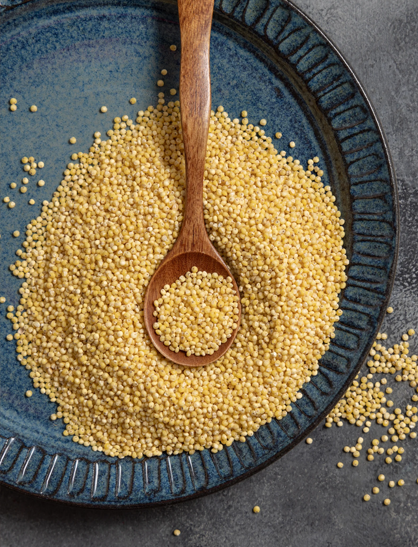
Little Millet – The Gentle Everyday Grain
Little millet is mild in flavour and soft when cooked, making it ideal for daily consumption.
Health Benefits of Little Millet:
- Good source of B-vitamins for energy metabolism
- Supports heart health and digestion
- Easy to digest and suitable for all ages
- Ideal replacement for white rice in meals
It can be used in pulao, pongal, and fermented batters.
Kodo Millet – The Detoxifying Grain
Kodo millet has long been valued in traditional diets for its cleansing properties.
Health Benefits of Kodo Millet:
- Helps detoxify the digestive system
- Rich in antioxidants that fight inflammation
- Supports weight management
- Improves gut health
It works well in rice dishes, upma, and fermented foods.
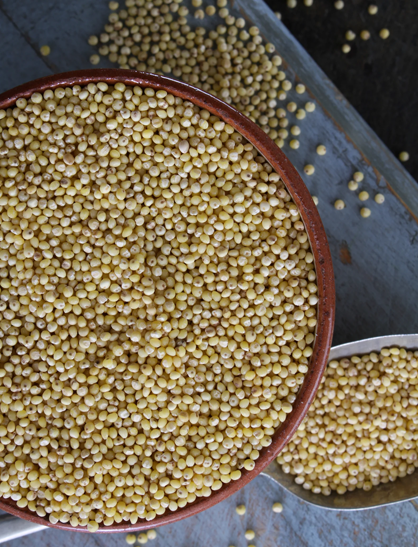
Barnyard Millet – The Light and Fast-Digesting Millet
Barnyard millet is commonly eaten during fasting periods because it is light, quick to cook, and nutrient-dense.
Health Benefits of Barnyard Millet:
- Low calorie yet filling
- Helps control blood sugar levels
- Supports heart health
- Ideal for light meals and detox diets
It is commonly prepared as khichdi, porridge, or pulao.
Why Traditional Millets Matters today?
Traditional Indian millets are more than heritage foods, they are solutions to modern problems.
They help address:
- Rising diabetes and obesity
- Nutrient deficiencies in urban diets
- Overdependence on refined grains
- Environmental stress from water-intensive crops
Millets offer a rare combination of nutrition, sustainability, affordability, and versatility, making them one of the smartest food choices today.
Conclusion
Rediscovering India’s Ancient Superfoods
Traditional Indian millets represent the perfect bridge between past wisdom and future nutrition. They are wholesome, climate-resilient, and adaptable to modern cooking styles.
By including millets in daily meals, whether in breakfast, lunch, or snacks , families can improve health while supporting sustainable agriculture and local farming communities.
Sometimes, the path to better health doesn’t require new inventions.
It simply means rediscovering the powerful grains our ancestors trusted for generations.
Millets are not just traditional foods , they are the foundation of healthier living ahead.